
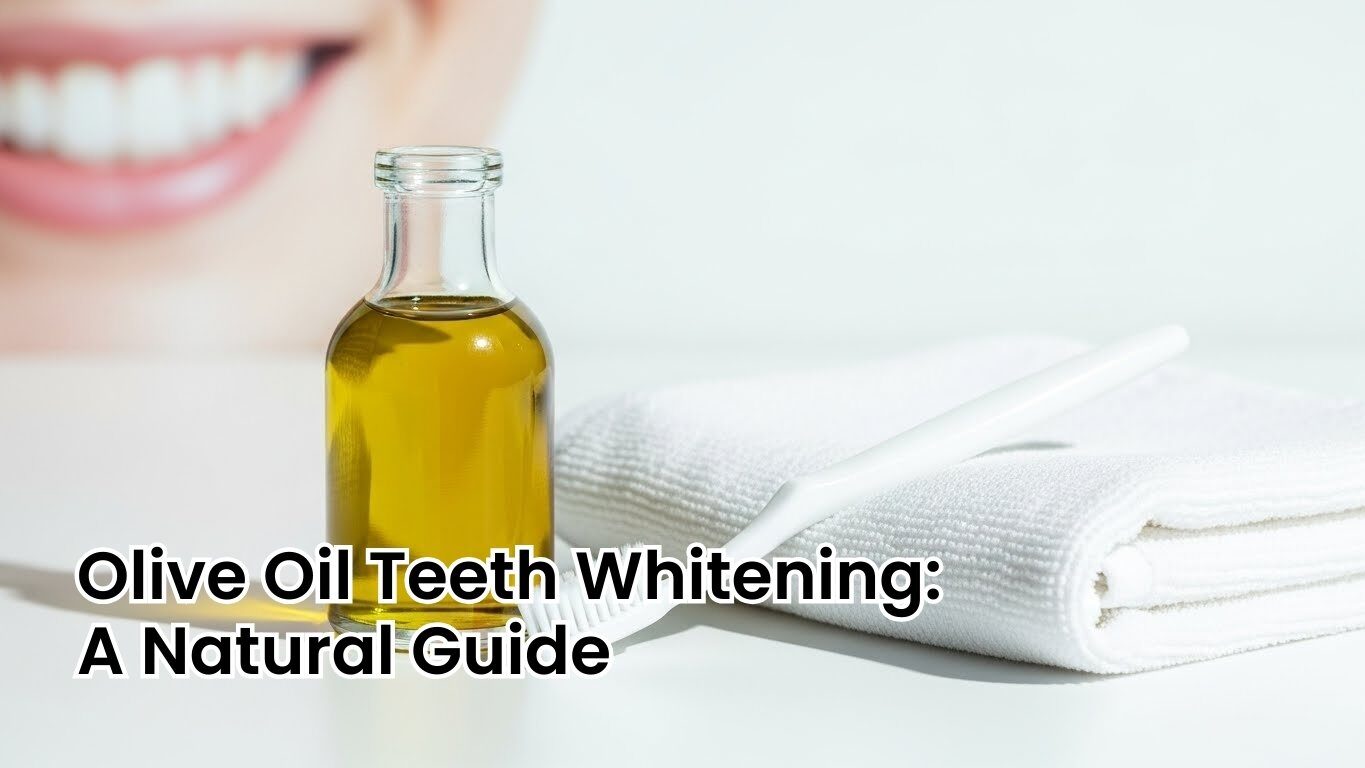
Many people dream of having whiter teeth, and the demand for a bright, confident smile has led to a huge market of whitening products. But olive oil teeth whitening is often considered one of the best natural remedies for improving your smile. From strips and gels to professional treatments, the options are endless.
Yet, a growing number of individuals are seeking gentler, more natural alternatives. One surprising contender gaining attention is olive oil. This simple kitchen staple, celebrated for its culinary and health benefits, might also hold the key to a brighter, healthier smile.
This guide will explore everything you need to know about olive oil teeth whitening. We will examine the science behind its effectiveness, provide step-by-step instructions on how to use it, and weigh its benefits against other natural remedies. If you’re looking for an affordable, chemical-free way to enhance your oral hygiene routine, you’ve come to the right place.
Why Choose Natural Teeth Whitening?
The market is saturated with over-the-counter and professional teeth whitening treatments that promise rapid, dramatic results. While often effective, these methods can come with significant drawbacks. Many commercial whitening products use chemicals like hydrogen peroxide or carbamide peroxide to bleach tooth enamel. These active ingredients can cause tooth sensitivity, gum irritation, and even long-term enamel damage if used improperly or too frequently.
This has led many to explore natural teeth whitening remedies. The appeal is clear: natural solutions are often gentler, more affordable, and free from harsh synthetic chemicals. They prioritize holistic oral health rather than focusing solely on cosmetic appearance. Methods using ingredients like baking soda, coconut oil, and activated charcoal have become popular for their perceived safety and simplicity.
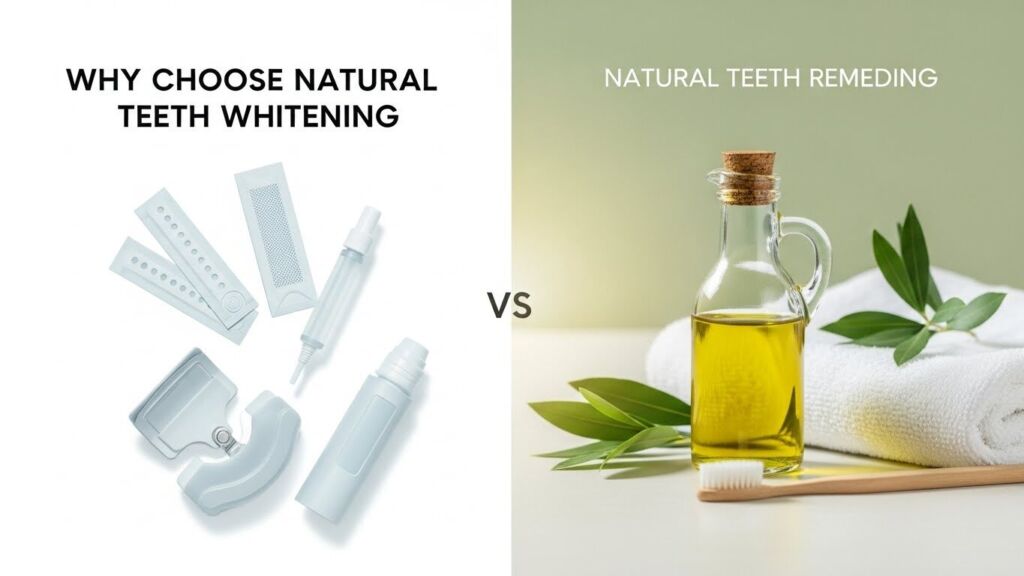
Among these, olive oil stands out as an especially compelling option. It offers a way to work toward a brighter smile without the common side effects of chemical whiteners. For those with sensitive teeth or concerns about enamel integrity, natural methods provide peace of mind. Choosing a natural path means you are using enamel-safe whitening methods that support your overall oral wellness, not just the color of your teeth.
The Science Behind Olive Oil for Teeth Whitening
How can a simple cooking oil possibly help whiten your teeth? The answer lies in its unique composition and the ancient practice of oil pulling. While olive oil won’t bleach your teeth in the way chemical agents do, its properties can help clean your teeth, remove surface stains, and improve overall oral health, leading to a naturally brighter appearance.
Olive oil, particularly extra virgin olive oil, is rich in lipids that can help lift and absorb surface stains from your teeth. Many common stains from coffee, tea, and red wine are lipid-soluble, meaning they can be dissolved by fats. When you swish olive oil in your mouth, it may help to gently pull these stains away from the enamel.
Furthermore, olive oil possesses natural antibacterial properties. Your mouth is home to hundreds of types of bacteria, some of which contribute to plaque buildup and tooth discoloration. The oral bacteria reduction that occurs when using olive oil can help prevent the formation of new plaque, keeping your teeth cleaner and appearing whiter. The presence of antioxidants in olive oil, such as polyphenols, also helps combat inflammation and supports healthy gums, which are foundational to a beautiful smile. These stain removal properties, combined with its ability to fight bacteria, make olive oil a powerful tool for natural oral care.
How to Use Olive Oil for Teeth Whitening
Incorporating olive oil into your oral hygiene routine is simple. There are several methods you can try, with oil pulling being the most popular. For the best results, always choose a high-quality extra virgin olive oil, as it is the least processed and contains the highest concentration of beneficial compounds.
A Step-by-Step Guide
1. The Oil Pulling Method
Oil pulling is an ancient Ayurvedic practice that involves swishing oil in your mouth to remove bacteria and promote oral hygiene. The olive oil pulling benefits for teeth include reducing plaque, fighting bad breath, and gently lifting surface stains.
- Step 1: In the morning, before eating or drinking anything, take one tablespoon of extra virgin olive oil.
- Step 2: Gently swish the oil around your mouth, “pulling” it between your teeth. Do this for 10 to 15 minutes. Try not to swallow the oil, as it will be full of bacteria and toxins from your mouth.
- Step 3: When the time is up, spit the oil into a trash can. Avoid spitting it into the sink, as it can clog the drain over time.
- Step 4: Rinse your mouth thoroughly with warm water, and then brush your teeth as you normally would.
2. Direct Application
For a more targeted approach, you can apply olive oil directly to your teeth.
- Step 1: Pour a small amount of extra virgin olive oil into a clean dish.
- Step 2: Dip a clean cotton swab or a soft-bristled toothbrush into the oil.
- Step 3: Gently rub the oil onto the surface of your teeth, focusing on areas with visible stains.
- Step 4: Let the oil sit for a few minutes before rinsing your mouth with water and brushing.
3. Olive Oil and Baking Soda Paste
You can create a gentle, whitening toothpaste using olive oil and baking soda. This is a great example of DIY dental care that combines the mild abrasive quality of baking soda with the cleaning properties of olive oil.
- Step 1: Mix a teaspoon of baking soda with enough olive oil to form a paste.
- Step 2: Apply the paste to your toothbrush and brush gently for two minutes.
- Step 3: Rinse your mouth thoroughly. Use this paste no more than once or twice a week to avoid damaging your enamel.
Tips for Best Results
- Consistency is Key: Natural methods take time. Practice your chosen method daily for several weeks to see noticeable improvements.
- Quality Matters: Always use high-quality, cold-pressed extra virgin olive oil.
- Maintain Your Routine: Olive oil is a supplement to, not a replacement for, your regular oral hygiene. Continue to brush twice a day and floss daily.
Benefits of Olive Oil for Oral Health
While the whitening effects are a major draw, the benefits of using olive oil extend to your entire oral ecosystem. Its properties support healthy teeth and gums, making it a valuable addition to your daily routine.
Improves Gum Health
Healthy gums are the foundation of a healthy smile. Gum inflammation, or gingivitis, can lead to more serious periodontal disease if left untreated. The anti-inflammatory compounds in olive oil can soothe irritated gums and promote healing. Regular oil pulling for oral health can lead to a significant gum health improvement, reducing redness, swelling, and bleeding. Good olive oil and gum health go hand in hand.
Prevents Plaque and Tartar Buildup
Plaque is a sticky film of bacteria that constantly forms on your teeth. When it hardens, it becomes tartar, which can only be removed by a dental professional. The antibacterial properties of olive oil help reduce the bacteria responsible for plaque, contributing to effective plaque and tartar control. By swishing with olive oil, you create an environment where it is more difficult for plaque to adhere to your teeth.
Safe for Sensitive Teeth
One of the most significant advantages of olive oil is that it is gentle. Chemical whitening agents can strip enamel and cause painful sensitivity. Olive oil, on the other hand, cleans without harshness, making it an ideal option for whitening sensitive teeth. It’s one of the most safe teeth whitening methods available, as it moisturizes the mouth and protects delicate tissues.
Fights Bad Breath
Bad breath, or halitosis, is often caused by an overgrowth of bacteria in the mouth. By reducing these odor-causing microbes, oil pulling with olive oil can help freshen your breath naturally and effectively.
Comparing Olive Oil to Other Natural Teeth Whitening Methods
Olive oil is just one of many natural remedies people use to brighten their smiles. How does it stack up against other popular options?
Coconut Oil vs. Olive Oil
Coconut oil is perhaps the most well-known oil used for oil pulling. Both oils are effective due to their lipid content and antibacterial properties. Coconut oil contains lauric acid, which is highly effective at killing harmful mouth bacteria. Olive oil is rich in oleic acid and antioxidants like polyphenols. The choice between coconut oil vs. olive oil for teeth often comes down to personal preference in taste and texture. Both are excellent choices for oil pulling.
Baking Soda and Hydrogen Peroxide
Baking soda is a mild abrasive that can scrub away surface stains, while hydrogen peroxide is a natural bleaching agent. While effective, both can be harsh if used improperly. Baking soda can be abrasive to enamel if used too vigorously, and hydrogen peroxide can cause significant gum irritation and tooth sensitivity. Olive oil offers a much gentler approach.
Activated Charcoal
Activated charcoal has become a trendy whitening ingredient due to its porous nature, which allows it to absorb stains and toxins. However, its abrasiveness is a major concern for dental professionals. Overuse can wear down enamel, leading to permanent damage. Olive oil provides stain-lifting benefits without the risk of abrasion.
Ultimately, while other natural remedies may offer faster results, olive oil stands out for its safety and its holistic benefits for oral health. It cleanses and protects without compromising the integrity of your teeth and gums.
Common Myths and Misconceptions About Olive Oil Teeth Whitening
As with any home remedy, there is a lot of misinformation surrounding olive oil for teeth. It’s important to separate fact from fiction.
Myth: Olive oil works instantly to whiten teeth.
Reality: This is perhaps the biggest misconception. Olive oil teeth whitening is a gradual process. Unlike chemical bleaching, it doesn’t change the intrinsic color of your teeth. Instead, it works by slowly removing surface stains and preventing new ones from forming. You will need to be consistent for several weeks or even months to see a noticeable difference.
Myth: Olive oil can replace brushing and flossing.
Reality: Absolutely not. Olive oil should be seen as a supplement to your oral care routine, not a replacement for its core components. Brushing removes food particles and plaque, while flossing cleans between the teeth where a brush can’t reach. Oil pulling complements these actions but cannot substitute for them.
Myth: Any type of olive oil will work.
Reality: For the best results, you should use extra virgin olive oil. This is the purest form, extracted without heat or chemicals, meaning it retains the highest levels of antioxidants and other beneficial compounds. Lower-quality, refined olive oils will not be as effective.
Myth: Does olive oil whiten teeth at all?
Reality: The question of whether it “whitens” can be misleading. It doesn’t bleach teeth to a new shade. Instead, it helps restore your teeth to their natural color by removing extrinsic (surface) stains. The olive oil dental benefits are more about cleaning and health, which in turn leads to a brighter appearance.
Final Thoughts: Is Olive Oil the Right Choice for You?
So, is olive oil teeth whitening the right path for your smile? If you are looking for a natural, gentle, and affordable way to enhance your oral health and achieve a subtly brighter smile, the answer is a resounding yes. It is an excellent choice for individuals with sensitive teeth, those who are wary of chemical treatments, and anyone interested in a more holistic approach to wellness.
By incorporating olive oil into your daily routine, you are not just working on the appearance of your teeth; you are actively improving the health of your gums, reducing harmful bacteria, and preventing plaque buildup. It’s a practice that nurtures your entire mouth.
Remember that patience and consistency are your greatest allies on this journey. A beautiful, healthy smile is not built in a day. It is the result of dedicated care and healthy habits. Give olive oil a try and see how this ancient remedy can bring a new shine to your modern smile.
Conclusion
Olive oil offers a safe, effective, and natural way to improve your oral hygiene and gently lift stains for a brighter smile. By leveraging its antibacterial and anti-inflammatory properties through practices like oil pulling, you can support your gum health, control plaque, and work toward your whitening goals without the risks associated with harsh chemicals. While it may not provide the instant, dramatic results of professional bleaching, olive oil teeth whitening is a sustainable practice that promotes long-term oral wellness.
FAQs About Olive Oil Teeth Whitening
Here are answers to some frequently asked questions about using olive oil for a brighter smile.
How long does it take to see results?
Results vary from person to person depending on their diet, oral hygiene habits, and the type of stains on their teeth. With consistent daily use, some people report seeing a subtle brightening and improved gum health within two to four weeks.
Is olive oil safe for daily use?
Yes, using olive oil for oil pulling or direct application is generally safe for daily use. It is a natural food product and is very gentle on oral tissues. However, if you are creating a paste with baking soda, limit its use to once or twice a week.
Can olive oil damage enamel?
No. Unlike acidic substances or abrasive materials, olive oil is non-acidic and non-abrasive. It is one of the safest methods for natural teeth cleaning and will not harm your enamel. It can even help protect it by creating a cleaner oral environment.
What type of olive oil should I use?
Always opt for high-quality, cold-pressed extra virgin olive oil. This ensures you are getting the maximum amount of antioxidants and beneficial fatty acids without any added chemicals from processing.
Can olive oil help with my olive oil for yellow teeth concerns?
Olive oil can help reduce yellowing caused by surface stains from food and drinks. However, if your teeth are yellow due to genetics, age, or thinning enamel, olive oil will not change their intrinsic color.