
Do you love your morning coffee but hate what it does to your smile? Many coffee drinkers share this struggle. Over time, coffee stains can turn white, healthy teeth dull yellow or brown. But you don’t need to give up your favorite beverage to keep your teeth looking bright. By understanding what causes these stains and discovering the best teeth whitening for coffee stains, you can reclaim a confident, radiant smile. In this detailed guide, you’ll learn about top whitening products, natural remedies, oral hygiene habits, and expert answers to your most-asked questions. Let’s dive in!
Introduction: Why Coffee Lovers Need This Guide
Coffee is a global obsession. It wakes us up, gives us energy, and adds comfort to our routines. But those delicious cups come with a downside—noticeable stains on our teeth. If you’ve ever asked, “How can I get rid of coffee stains on my teeth?” or “What’s the best way to whiten teeth stained by coffee?” you’re in the right place. This blog is packed with knowledge on how to remove coffee stains from teeth quickly, naturally, and safely.
Our approach is human, honest, and practical. We’ll cover the newest whitening kits, the best toothpaste for coffee drinkers, professional solutions, and lasting prevention tips. You’ll even learn about common questions—like “Does baking soda remove coffee stains from teeth?”—and how to keep stains away for good.
What Causes Coffee Stains on Teeth?


Let’s start with the basics. Why does coffee stain your teeth so badly? The answer—tannins. Tannins are plant-based compounds found in coffee beans. They’re responsible for that bitter taste you crave … and the dark color. But tannins love to stick to surfaces, especially the porous enamel on your teeth.
How Coffee Stains Take Hold
Even though enamel feels hard and smooth, it’s full of tiny pits and ridges. When you sip coffee, tannins seep into these little crevices. Each cup adds a microscopic layer of brown pigment until one day your teeth look much darker than before. If you’re a daily coffee drinker, this process speeds up.
Poor oral hygiene makes stains worse. When plaque builds up on teeth, its sticky surface grabs tannins even faster. Add smoking to the mix—another major stainer—and you have a recipe for stubborn yellow-brown tooth discoloration. Eating sugary foods or skipping regular brushing allows more coffee residue to linger, compounding the problem.
Other Factors That Worsen Staining
- Not brushing or flossing regularly
- Skipping dental cleanings
- Drinking coffee throughout the whole day
- Using teeth-staining products like tobacco or dark teas
You can’t always avoid these risks entirely, but understanding them helps you fight back.
The Best Teeth Whitening for Coffee Stains
Now to the good part—solutions! Take a proactive approach and you’ll see real results. The right whitening method for you depends on your needs, budget, and time. Here’s a look at every top-rated option.
Professional Teeth Whitening: The Fastest Fix
Looking for dramatic, instant results? Book an appointment with your dentist. In-office professional teeth whitening uses powerful bleaching agents like hydrogen peroxide or carbamide peroxide—at much higher concentrations than store-bought whitening products.
How It Works
Your dentist places a guard to protect your gums. Next, they apply a potent whitening gel. For even better results, they might use a special light or laser to activate the gel. The process takes around an hour, and most people see their teeth lighten by several shades in just one session. For deep brown and yellow stains, this is the gold standard. Some practices also offer take-home trays with professional-strength gel for gradual whitening.
What to Know
- Cost is higher than home kits but results are quick.
- Usually safe, but some patients experience short-term sensitivity.
- Follow-up treatments help maintain a bright smile.
At-Home Whitening Kits: Convenience with Real Results
Many people want whiter teeth but prefer affordable, easy-to-use solutions. That’s where at-home whitening kits shine. Thanks to years of product improvements, you have plenty of safe, tested options in stores and online.
Types of At-Home Whitening Kits
- Whitening Strips: These flexible strips stick to your teeth and deliver a gentle, peroxide-based bleaching agent. Use daily for one to two weeks. They’re ideal for mild to moderate coffee stains.
- Whitening Gels and Trays: These come with pre-filled or refillable mouth trays. Place the gel in the tray, fit over teeth, and wear according to the instructions. Custom trays from your dentist give the most tailored results, but one-size-fits-all versions work for many.
- LED Whitening Kits: These kits pair a whitening gel with a blue-light device. The LED is said to boost how quickly peroxide works. Many coffee drinkers find noticeable improvement after a week of use.
Tips for At-Home Whitening
- Check for the ADA Seal of Acceptance—this proves safety and effectiveness.
- Use as directed to avoid tooth sensitivity.
- Whitening is best done on a regular basis for maintenance.
Best Teeth Whitening Toothpaste for Coffee Stains
Don’t underestimate the power of your toothpaste. Whitening toothpaste is an easy, first line of defense for coffee drinkers.
How Whitening Toothpaste Works
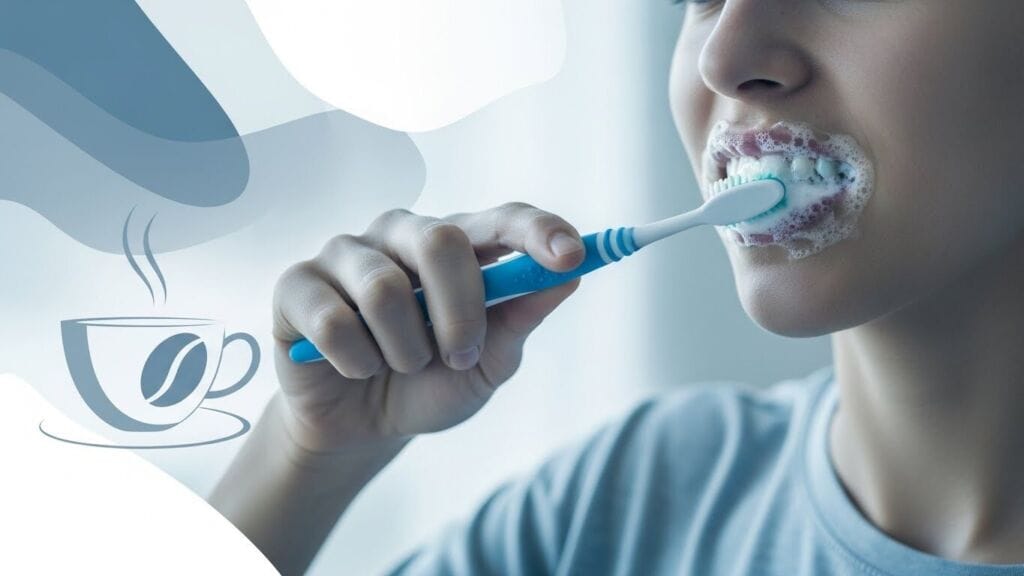
Whitening toothpaste tackles surface stains using mild abrasives, stain dissolvers, or chemical agents. They don’t bleach but polish and clean. Look for active ingredients like hydrated silica, calcium carbonate, or sodium hexametaphosphate. Many brands specifically advertise benefits for smokers or coffee lovers because their formulas fight tougher stains.
Choosing the Best Toothpaste for Coffee
- Use toothpaste labeled for “coffee stains” or “smokers and coffee drinkers.”
- Make sure it contains fluoride for enamel protection.
- Alternate with a sensitivity formula if needed.
Daily use helps prevent new stains and gently removes the old. Mechanical brushing does most of the work, so don’t skip your routine!
Natural Teeth Whitening Remedies: Gentle and Safe Options
Thinking about natural or DIY solutions? Some gentle remedies support your quest for a whiter smile without harsh chemicals. Use them carefully, and never overdo it.
Popular Natural Whitening Methods
- Baking Soda: This kitchen staple is a mild abrasive. Mix a tiny bit with water for a gentle paste. Brush softly—no more than once or twice a week.
- Oil Pulling: An ancient practice. Swish a tablespoon of coconut or sesame oil in your mouth for up to 20 minutes. It may reduce harmful bacteria and sticky plaque, lowering stain risks and promoting fresher breath.
- Activated Charcoal: Some natural toothpastes use activated charcoal for its absorbent texture. But be cautious. Charcoal is abrasive and can harm enamel if used too often. Always follow directions and check with your dentist first.
While not as powerful as peroxide-based products, these remedies can be part of a broader stain-fighting plan.
How to Remove Coffee Stains from Teeth Quickly
Are you running late for a big event or a last-minute video meeting? Sometimes, you need ways to make your teeth appear whiter, fast.
Quick Fixes That Work
- Rinse with Water Right After Coffee: This simple habit washes away tannins before they stick.
- Use Mouthwash After Coffee: Whitening mouthwashes contain peroxide and stain removers that gently brighten your teeth. Swish for 30 seconds for fast, fresh results.
- Try a Baking Soda and Peroxide Paste: Mix two parts baking soda to one part 3% hydrogen peroxide. Brush gently for one minute. Use only as an occasional boost—not a daily treatment!
Extra Tips
- Chewing crunchy fruits or veggies (like apples or carrots) after coffee helps remove food and coffee residue from your teeth.
- Don’t brush immediately after drinking hot coffee. Wait about 30 minutes—coffee’s acid softens enamel and brushing too soon can cause erosion.
Preventing Coffee Stains: Plan for a Brighter Smile
Prevention is always easier than cure. With a few practical changes, you can reduce future staining and keep whitening results for longer.
Oral Hygiene Tips for Coffee Drinkers
- Brush Twice a Day: Spend two full minutes each time.
- Floss Every Day: Removes trapped particles and keeps edges clean.
- Use Whitening and Fluoride Products: This combo fights stains while strengthening enamel.
- Get Professional Cleanings: Visit your dentist twice a year for a deep clean. They can remove stubborn buildup you can’t reach.
Coffee-Drinking Habits That Protect Teeth
- Use a Straw: Drink iced coffee or cool beverages through a straw so stains miss your front teeth.
- Limit Your Coffee Window: Instead of sipping coffee all day, enjoy it in a single sitting. This lessens contact time and gives your mouth time to recover.
- Rinse with Water or Mouthwash: Swish before you brush.
- Enjoy Your Coffee Black: Skip sugary creamers—they make plaque worse and attract more stains.
Healthy Diet and Lifestyle Choices
- Eat Stain-Fighting Foods: Apples, celery, and carrots naturally polish enamel.
- Cut Back on Smoking: Cigarettes and cigars add extra stains. Quitting helps a lot.
- Avoid Other Staining Drinks: Teas, red wine, and cola also deposit pigments on enamel. Moderate your intake or rinse after drinking.
Additional Expert Tips for Keeping Teeth White
- Routine is everything: Consistency with daily care does more for your smile than any single whitening treatment.
- Switch to an electric toothbrush: These remove more plaque and surface stains than manual brushing.
- Focus on your gums: Healthy gums minimize recession, helping cover the necks of teeth where stains collect.
Avoid snacking between sips: Eating or drinking something other than water prolongs acid exposure and stain risk.
Conclusion: Your Smile, Your Confidence
You don’t have to choose between enjoying coffee and loving your smile. With the right combination of products, habits, and prevention strategies, you can achieve—and maintain—a noticeably whiter look. Invest in the best teeth whitening for coffee stains that fits your life. For some, that’s a professional in-office procedure. For others, it’s strips, gels, toothpaste, or natural remedies.
Remember: healthy, white teeth are about more than good looks—they boost your confidence and make every smile feel easier. Start today by rinsing after your coffee, brushing twice a day, and picking the whitening method that suits you best. Stay consistent, be kind to your enamel, and you’ll notice real improvement in weeks.
If you’re ever unsure or have sensitive teeth, consult your dentist. They can offer guidance tailored to your needs and help you avoid common mistakes. A brighter smile is just steps away. Enjoy your coffee—and your pearly whites!
FAQs: Your Most Common Questions, Answered
Does baking soda really remove coffee stains from teeth?
Yes, baking soda can remove mild surface stains because of its gentle abrasiveness. It won’t whiten enamel beneath the surface. Use only once or twice a week to avoid wear. Never scrub hard, and ask your dentist before starting any DIY routine.
How long does it take to see results with whitening toothpaste?
Most people notice improvements within two to four weeks of regular use, but it depends on the product and how stained your teeth are. Whitening toothpaste is best for maintaining results and preventing new stains.
Are natural remedies safe for sensitive teeth?
Some are, like oil pulling. Other methods, like frequent use of baking soda or activated charcoal, may cause more sensitivity or damage. If you already have sensitive teeth or thin enamel, talk to your dentist before trying these.
What’s the best way to prevent coffee stains in the long-term?
Brush and floss daily, use whitening toothpaste or mouthwash, drink coffee through a straw, and rinse your mouth after finishing your mug. Visit your dentist twice a year for professional cleanings.
Can I combine coffee and cigarettes and still have white teeth?
It’s possible, but very tough. Both are notorious for staining. If you do both, you’ll probably need professional whitening and diligent oral hygiene to keep teeth bright.
Is it better to use professional treatments or home kits?
Professional treatments work faster and are more effective for heavy stains. At-home kits are affordable and good for maintenance or mild discoloration. Many people start with professional treatment, then use kits or toothpaste to keep their results.
Can brown coffee stains be removed naturally?
Yes, to a degree. Try oil pulling, gentle use of baking soda, and crunchy fruits like apples for light stains. For darker, deep-set stains, you’ll get the best results combining these with professional or at-home whitening products.
Should I brush my teeth right after drinking coffee?
It’s best to wait 30 minutes. Coffee’s acids temporarily soften your enamel. If you brush too soon, you risk scrubbing away the protective enamel layer.
Will whitening make my teeth sensitive?
Many people experience mild sensitivity after whitening, especially with higher-concentration products. This feeling usually fades within a couple of days. Use a toothpaste for sensitive teeth and follow product directions carefully.